January 2025

What Are Normal FSH Levels?
What causes high FSH levels? High FSH levels can be caused by several factors, including: Menopause: As women approach menopause, the ovaries begin to respond less to the hormones that stimulate egg development. This can lead to higher-than-normal levels of FSH in the blood. Premature Ovarian Insufficiency (POI) occurs when the ovaries stop functioning correctly before […]

5 Key Insights on Blastocyst Embryo Development for IVF
Why is the blastocyst stage important? You may have heard that some clinics (although fewer and fewer) will transfer day 3 embryos two days before the blastocyst stage, so why are we talking about the blastocyst stage? The blastocyst stage is important because reaching it (not all embryos will develop to the blastocyst stage) is […]

Understanding the Odds and Outcomes
When looking across all age groups, the odds of having a multiple gestation pregnancy through IVF is roughly 30%, with the vast majority being twin pregnancies. The likelihood of multiples is primarily determined by two key factors: the number of embryos transferred and the patient’s age. The Role of Embryo Transfer in Multiples In years […]
Do Male Fertility Supplements Work? Discover the Truth
Some lesser-known ingredients include NAC N-acetyl-cysteine, cryptoxanthin, inositol, alpha-lipoic acid, D-aspartic acid, PQQ, ashwagandha, and shilajit, plus many more. The specific ingredients and dosing in male fertility supplements vary across brands, meaning each bottle offers a different mix, usually for top dollar. While male fertility supplements often contain naturally occurring compounds that likely aren’t dangerous to the […]
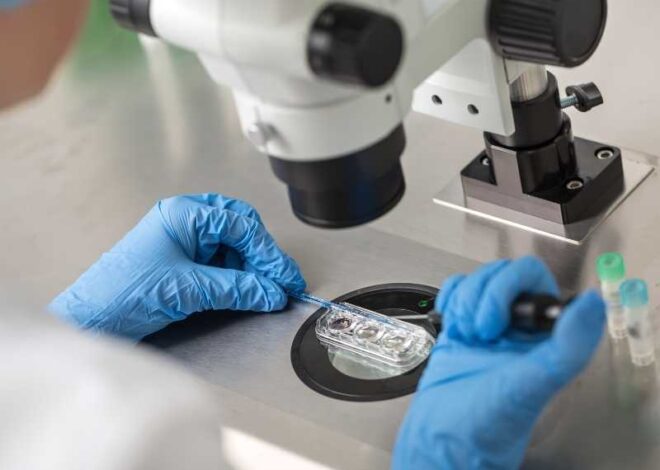
Clinics That Conduct In-House Research
Fertility research has revolutionized the way we understand and treat infertility, making the seemingly impossible possible. Decades of fertility research have uncovered many medical breakthroughs, such as why abnormal embryos cannot lead to healthy pregnancies, when to perform an embryo biopsy for optimal results, and how to test for chromosomal abnormalities. These advancements have transformed […]

Fertility Hormone Testing: Understanding Blood Test Results
Fertility Hormone Testing: Questions & Answers Do I need to fast before I have my blood test? Food does not usually affect your blood tests for hormonal studies, so it’s okay to eat. However, you may be told to fast before having a prolactin blood test. Be sure to speak to your nurse if you […]

Secondary Infertility, Why You Might Not Be Getting Pregnant
Causes of Secondary Infertility Secondary infertility can be caused by issues with the female or male partner. About 33% of all infertility cases stem from issues with the female partner. Another 33% of cases stem from the male partner. The remaining 33% are a combination of issues from both the male and female partners. The […]

Normal & Low Anti-Müllerian Hormone Level AMH Test Explained
How can an AMH blood test help diagnose infertility? Since AMH is produced only in small ovarian follicles, blood levels of this substance have been used to attempt to measure the size of the pool of growing follicles in women. Research shows that the size of the pool of growing follicles is heavily influenced by […]

Comprehensive Guide for Fertility Planning
Blog What is ovulation? It is a phase of the menstrual cycle when a mature egg is released from a follicle within the ovary. Once the egg leaves the ovary, it is captured by the finger-like, or fimbriated, ends of either the left or right fallopian tube and is ready to be fertilized by a […]

Top 7 Fertility Medications: Common Drugs in Treatment
Becoming pregnant can prove to be difficult for some women and couples. It’s estimated that 12% to 15% of couples have trouble getting pregnant. Infertility, or the inability to conceive, can be due to several contributing factors for both women and men, including health conditions, age, hormone levels, lifestyle choices, and more. Thankfully, these individuals […]